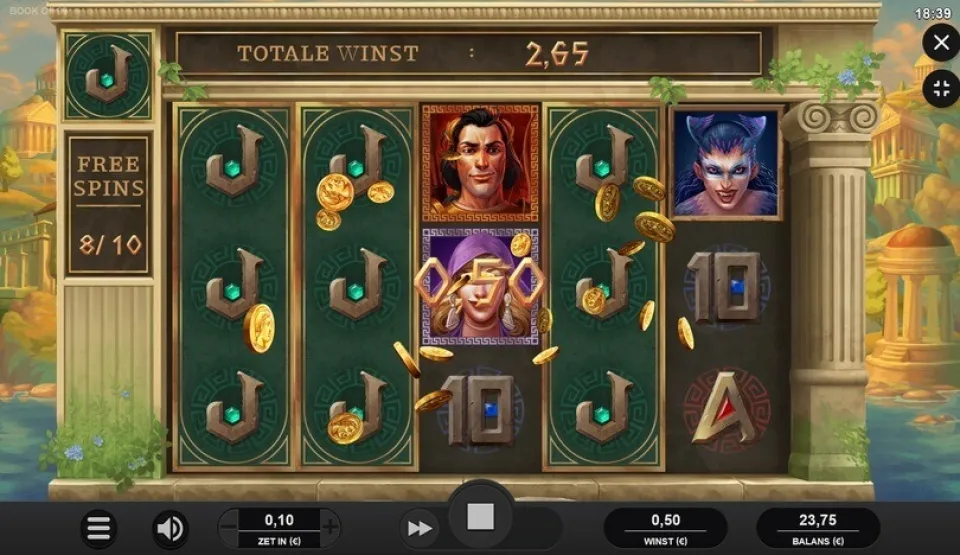
A visit to the dentist strikes many people across the UK with a very specific kind of dread slotbook.games. That clinical smell, the whirr of a drill from another room, the simple anticipation of discomfort—it’s enough to tighten your stomach before you even sit down. Dental teams understand this well, and they’re always on the search for new, gentle ways to calm patient nerves. One method that’s starting to catch on might amaze you: putting good digital entertainment right in the waiting area. Take the Book of 99 slot game. With its setting of ancient Egyptian exploration and simple, pull-to-spin action, it delivers something special. It gives patients a engaging task that pulls their mind away from what’s coming next. This isn’t just a time-waster. It’s a proper cognitive distraction. The idea is immersion. When your mind is pleasantly absorbed, stress hormones dip, and those tense minutes before your name is called feel briefer and far easier to handle.
Understanding Dental Anxiety in the UK
Dental anxiety affects many people. It impacts people of all ages and backgrounds. For some, it’s a flutter of nerves. For others, it’s a strong phobia that leads to skipped appointments and years of staying away from the chair. The result is often declining oral health and the need for more serious treatment later. The reasons behind the fear are complex. A traumatic past experience, fear of pain, feeling powerless in the chair, or even self-consciousness about tooth condition can all feed it. Crucially, the waiting room often amplifies these feelings. Sitting there with nothing to do makes every concern feel bigger. Smart dental practices understand this. They’re doing more than just piling old magazines on a table. They are deliberately transforming their waiting areas into spaces that calm and engage. The target is the anxiety that builds before the appointment even starts. By creating a positive first step, they can transform the feel of the whole visit.
The Concept of Distraction
Psychologists have long recognised distraction as a tool for managing anxiety. If you can become fully absorbed in a task, your brain has less capacity to dwell on a perceived threat—like an upcoming dental procedure. This shift can actually reduce physical signs of stress, like a racing heart. The trick is the distraction must be engaging enough to truly command your attention. A faded word-search or bland daytime TV usually won’t cut it. A game like Book of 99, with its rich art, sense of adventure, and the genuine thrill of activating its free spins bonus with an expanding symbol, requires more of your brain. It encourages a state of ‘flow’. In flow, time shifts and anxious thoughts diminish. For a patient in a waiting room, that’s a real mental break.
What Makes Book of 99 Slot an Ideal Pick
Many things turn the Book of 99 slot a good pick for a dental waiting room. Its theme has wide appeal. The allure of ancient Egypt and hidden treasures captivates a diverse range of people, from students to retirees. The graphics are vivid and detailed but not messy or harsh, which helps foster a stimulating yet relaxed vibe. Then there’s the gameplay. It’s famously straightforward. Get three or more Book scatters to activate the bonus round—the rule is simple enough for anyone to understand immediately. This ease of use is vital. The goal is to reduce stress, not contribute to it with confusing instructions. Finally, the game’s mechanics, including its high RTP and the opportunity for big wins during free spins, create a buzz of positive anticipation. That feeling of “what might happen next?” directly counters the feeling of dread.
Accessibility and Ease of Use
Any waiting room tool needs to be extremely simple to use. Putting Book of 99 in place doesn’t require patients to download software, sign up, or pay a penny. A practice can set up a tablet or a wall-mounted touchscreen kiosk, with the game already loaded in free-to-play demo mode. The controls are intuitive: a clear spin button and simple bet adjustments. Demo mode lets people try every feature of the game without any financial stake. The physical interaction—reaching out and tapping the screen to spin—adds a tactile layer to the distraction. It anchors the patient in the here and now, steering them away from anxious thoughts about the next ten minutes.
Integrating Gaming Solutions in a Healthcare Setting
Introducing a slot game into a dentist’s surgery requires meticulous thought to keep things proper. The central aim is to position it as a relaxation aid for anxiety, not a gambling prompt. Clear signs should state this: “Relax and enjoy your wait with our free-play distraction station.” The hardware itself should be durable, easy to keep clean with wipeable screen protectors, and fixed securely if needed. Offering headphones lets patients enjoy the game’s soundscape without filling the room with noise. Placement matters, too. It shouldn’t sit right in front of the reception desk where people might feel watched, but in a inviting, well-lit spot that feels like a carefully chosen perk, much like a good coffee machine.
Employee Guidance and Patient Introduction
The practice team is vital for making this anxiety-relief tool feel natural and welcome. When checking in, reception staff can give a subtle, offhand mention: “If you’d like something to pass the time, we’ve got a free game on the tablet in the corner.” This low-key invitation helps hesitant patients feel it’s okay to try. Clinical staff can be briefed to acknowledge it too. A dentist or nurse might say, “I hope the game helped pass the time,” which reinforces the practice’s focus on comfort. Incorporating the solution into the patient journey in this way makes the whole practice feel more caring and attentive.
Benefits Outside of Patient Distraction
The main goal is to reduce patient anxiety, but the advantages ripple out. A waiting room where people are engaged is inherently quieter and more relaxed. This calmer atmosphere helps everyone, like parents with children and the staff themselves, who don’t have to manage a room full of nervous energy. Offering something this distinctive also sets a practice apart. In a challenging market, it creates a reputation as a forward-thinking, patient-centred clinic that thinks about the details. Happy patients are more prone to maintain regular appointments, leave positive reviews online, and refer the place to others. That directly boosts the health and growth of the business.
Creating a Positive Association
The psychology at work here is potent. It helps rebuild a patient’s association with the dental visit itself. Instead of the complete event being stained by fear, the memory now features a fun, rewarding activity. This kind of association can, over several visits, soften the overall fear response. The game’s engaging moments—like triggering the free spins round where one symbol can grow across the reels—give little bursts of dopamine, a chemical linked to pleasure and reward. By associating these positive sensations with the start of a dental appointment, the practice subtly helps reprogram the patient’s emotional reaction. Future visits might become something they handle with less trepidation, or at least without the old level of panic.
Responding to Potential Concerns
It’s reasonable for practice managers to reflect on possible concerns. The link to gambling is the most apparent one. This is managed by strictly using the free-play demo mode and labelling it clearly as a distraction tool. The game’s content is also safe—no violence, just journey and uncovering. Some might question screen time, but context defines it. A concentrated 10-minute session as a intentional calming technique is separate from passive scrolling. Of course, traditional options like magazines or toys should remain for those who opt for them. Choice is key. Finally, the technology must be dependable. A single tablet with one well-chosen game is more effective than a fancy multi-game system that could freeze or bewilder people. Simple works.
Evaluating the Impact and Success
How can a practice tell if the Book of 99 station is functioning? They can obtain feedback in a number of ways. Simple anonymous cards can contain a line about the waiting experience: “Did you think the waiting room distractions beneficial?” Staff observation is equally telling. They can observe the general mood in the room, or how many patients engage with the station. Online reviews are another source; watch for comments about a “good waiting area” or “something fun to do.” Over the longer term, keep an eye on cancellation rates and how many patients rebook. If anxiety is truly reduced, fewer people might skip at the last minute, and more might arrange their next check-up without prompting. This information supports the project and indicates where to tweak things for an even better patient journey.
Outlook of Stress Control in Dentistry
Utilizing captivating digital distractions like Book of 99 is part of a move toward more comprehensive, patient-focused dental care. It recognizes that treatment starts in the waiting room, not the chair. This aligns with a wider movement in healthcare to support mental and emotional well-being alongside physical treatment. Where could it go next? We might see a selection of tailored digital options on waiting room tablets—a choice of calming puzzle games, interactive nature streams, or short meditation apps. The core idea will stay the same. By proactively tackling anxiety with appealing, respectful methods, dental practices can achieve better clinical results, higher patient satisfaction, and improved community oral health. Turning waiting time from a stretch of worry into a few minutes of enjoyable escape is a small change with a deep impact.